Woodland Walk Checklist: 12 Things to Pack Before You Set Off
The gate swings shut behind you, the path softens underfoot, and for the first twenty minutes everything is exactly as it should be. Then the sky darkens, or the path forks where the map doesn't, or someone's boot sole starts to peel away from the upper. Half a day in the woods is short enough to feel casual and long enough for a small problem to become an irritating one. The fix is almost always the same: a bag that was packed properly before you left the house. What follows is a working kit list for a half-day woodland walk — think three to five hours, no camping, no scrambling — along with the reasoning behind each item, because a checklist you understand is one you will actually use.
Clothing: Sort the Layers Before Anything Else
Woodland is a damp place even on a dry day. Leaves hold water, roots stay slick, and the canopy keeps the air cool and still. Dress for that, not for the car park.
Boots and socks
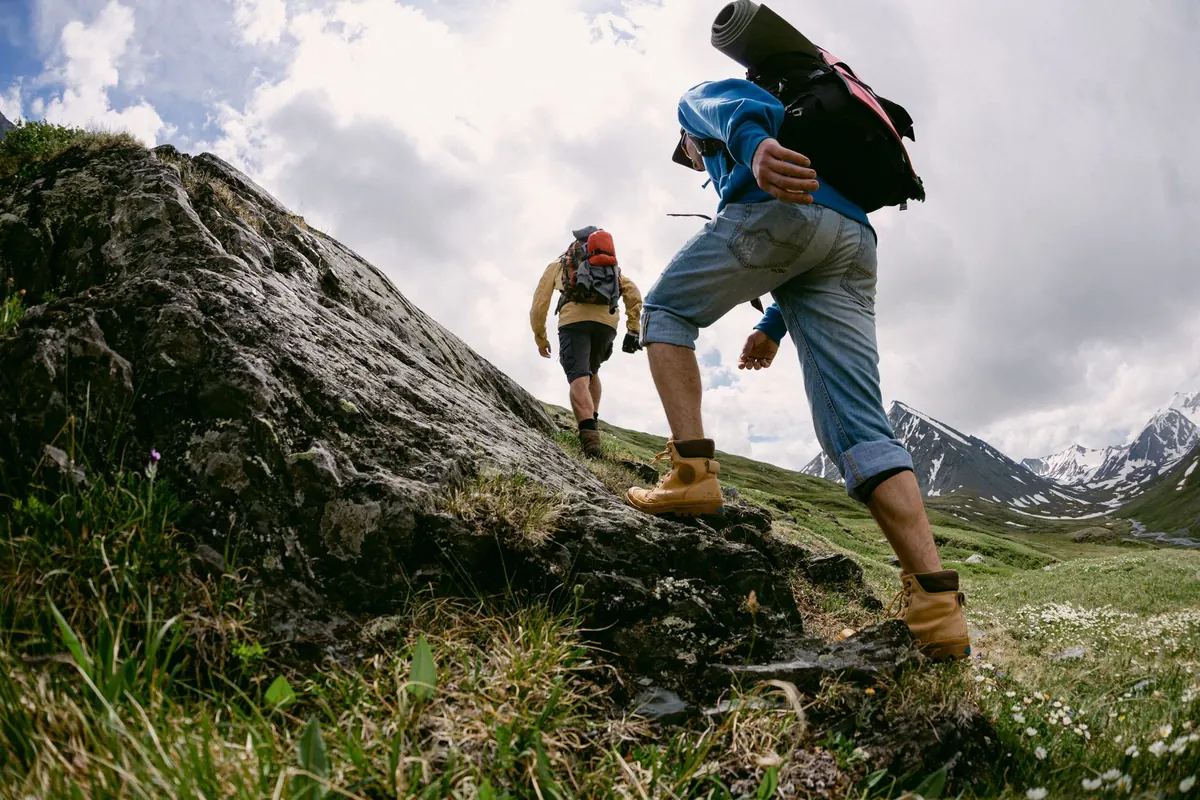
You want grip and you want ankle support on uneven ground. Walking boots with a decent lug pattern handle mud and wet roots; trail shoes are fine on dry summer paths and hopeless on a leaf-covered slope in November. Whatever you wear, break it in before a long walk, and carry a spare pair of socks. It is the cheapest comfort upgrade on this list, and dry feet at hour four feel like a small holiday.
Layers and a shell
A synthetic or merino base layer, a warm mid-layer such as a fleece, and a waterproof jacket with a hood. The mid-layer matters more than people expect: stop for lunch in cool air and you chill quickly. Waterproof trousers are worth the space if the forecast is mixed, and cotton jeans are worth leaving at home — they soak up water and stay cold for hours.
Water and Food for a Half Day
Take at least a litre of water for a half-day walk and more if it is warm or the route is hilly. Drink before you feel thirsty, because by the time thirst arrives you are already behind. On cold days a flask of tea or soup is a genuine pleasure rather than a luxury, and it gives you a reason to stop somewhere pleasant.
Food should survive being squashed in a rucksack: oatcakes, cheese, nuts, fruit, a sandwich wrapped properly. Eat a little before you are hungry rather than waiting for the grumbling stage, which usually coincides with the steepest climb of the day. Do not drink from streams and rivers, however clear they look — moving water in woodland can carry things you would rather not meet. If you carry medication for a condition, pack it, and make sure whoever is walking with you knows where it is.
Navigation: Assume the Phone Will Die
Signal in woods is unreliable and batteries fail at the worst moment. Carry a paper map of the area and a compass, and know how to read both — even roughly. A map inside a plastic sleeve or case survives rain and repeated folding. Before you set off, spend two minutes tracing your route and noting two or three landmarks: a bridge, a junction, a distinctive building at the edge of the trees.
Your phone is still useful. Download the map for the area so it works offline, start with a full charge, and pack a small power bank if you rely on it for navigation or photos. Tell someone at home where you are going and when you expect to be back, and send a message when you reach the car. That single habit does more for your safety than any gadget in the bag.
The Safety Kit That Earns Its Weight
None of this is heavy. All of it is the difference between a story and an incident.
- A small first-aid kit — plasters, blister plasters, an antiseptic wipe, a roll of tape, and any painkiller you already know suits you.
- A whistle — far louder than a voice and it does not tire you out. Six blasts a minute, then a pause, repeated, is the recognised distress signal.
- A headtorch — even on a walk you intend to finish by mid-afternoon. A slow lunch and a wrong turn can eat an hour faster than you think.
- A foil emergency blanket — weighs almost nothing, and if someone has to sit still and wait, it matters.
- A tick remover — ticks live in long grass, bracken and leaf litter. Remove them promptly with fine-tipped tweezers or a proper tick tool, clean the area, and if you feel unwell in the days afterwards, speak to a doctor and mention the bite.
Small Extras Worth the Space
A notebook and pencil turn a walk into something you remember; jot the weather, the birdsong, the name of the tree you could not identify. Binoculars repay their weight a hundred times over at the edge of a clearing. A square of foam mat makes a dry seat on wet ground, insect repellent is essential in high summer and near stagnant water, and a spare cloth bag collects litter or a bag of kindling for home. A single trekking pole is a real help on steep, greasy descents if you have dodgy knees.
The 12-Item Printable Checklist
Copy this onto a card, keep it in your rucksack, and check it the night before rather than at the gate.
- Waterproof jacket with a hood — and waterproof trousers if the forecast is uncertain.
- Warm mid-layer — fleece or wool, packed rather than worn if the day is mild.
- Walking boots with tread and ankle support, plus a spare pair of socks in a dry bag.
- At least one litre of water, more in heat.
- Lunch and snacks that survive a rucksack, plus a flask if it is cold.
- Paper map and compass for the area you are walking.
- Charged phone with an offline map, and a power bank if you rely on it.
- Small first-aid kit with blister plasters and tape.
- Whistle and headtorch with working batteries.
- Foil emergency blanket.
- Tick remover and insect repellent in season.
- Notebook, pencil and binoculars for the parts you will want to remember.
Before You Set Off: A Five-Minute Routine
Pack the bag the night before and leave it by the door, alongside your boots. Check the forecast in the morning, then pack for slightly worse weather than it promises, because woods have their own climate and the canopy hides what is coming. Confirm your route and your return time with someone at home. Fill your water bottle last, so it is actually full.
On the walk itself, keep it simple: stay on the path where it is muddy rather than widening the damage, take your litter home, and leave the flowers, fungi and fallen wood where they are. A woodland walk is a short visit to a place that is working all year round. Pack well, and the only thing you will have to think about is where the path goes next.
Photo: Kirill Lazarev / Pexels

Green Wood vs Dry Wood for Carving: What Beginners Should Know
Green wood carves like butter but moves as it dries; seasoned wood holds detail but fights the blade. Here...

How to Make a Twig Star: A 20-Minute Nature Craft
A quick, reliable method for turning gathered twigs and garden string into a six-pointed star, plus how to...
About Us