Autumn Foraging in Temperate Woodlands: What to Look For Month by Month
The first sign is rarely a mushroom. More often it is the sound of a blackbird knocking ripe haws off a thorn branch, or the sudden weight of a hazel bough you brushed past in July without noticing. Between the first weeks of September and the hard frosts of late November, a temperate wood gives up most of what it has been saving since spring, and it does so on a schedule — loose, weather-dependent, but a schedule all the same.
Knowing that schedule is most of the skill. Arrive in the right week and you fill a basket without walking far. Arrive a fortnight late and you find stalks, stains and plenty of evidence that someone else got there first.
Read the Season Before You Read the Calendar
Treat the months below as a framework, not a timetable. Latitude, altitude and aspect shift everything. A south-facing hedge on a warm lane may ripen sloes three weeks before the same species on a cold north slope five miles away. Woods on thin chalk soils dry out faster and fruit later in a wet year; heavy clay holds moisture and can push fungi up in flushes well into December.
Two things are worth tracking closely. The first is rain: most woodland fungi need a good soaking followed by mild nights, and a dry September will delay the whole autumn by a month. The second is mast. Hazel, beech and oak do not crop evenly every year, and a heavy year in one wood tells you very little about the next valley. Local knowledge beats any general guide, so ask, watch and write it down.
September: Berries First, Nuts Behind Them
Hedgerows and woodland edges
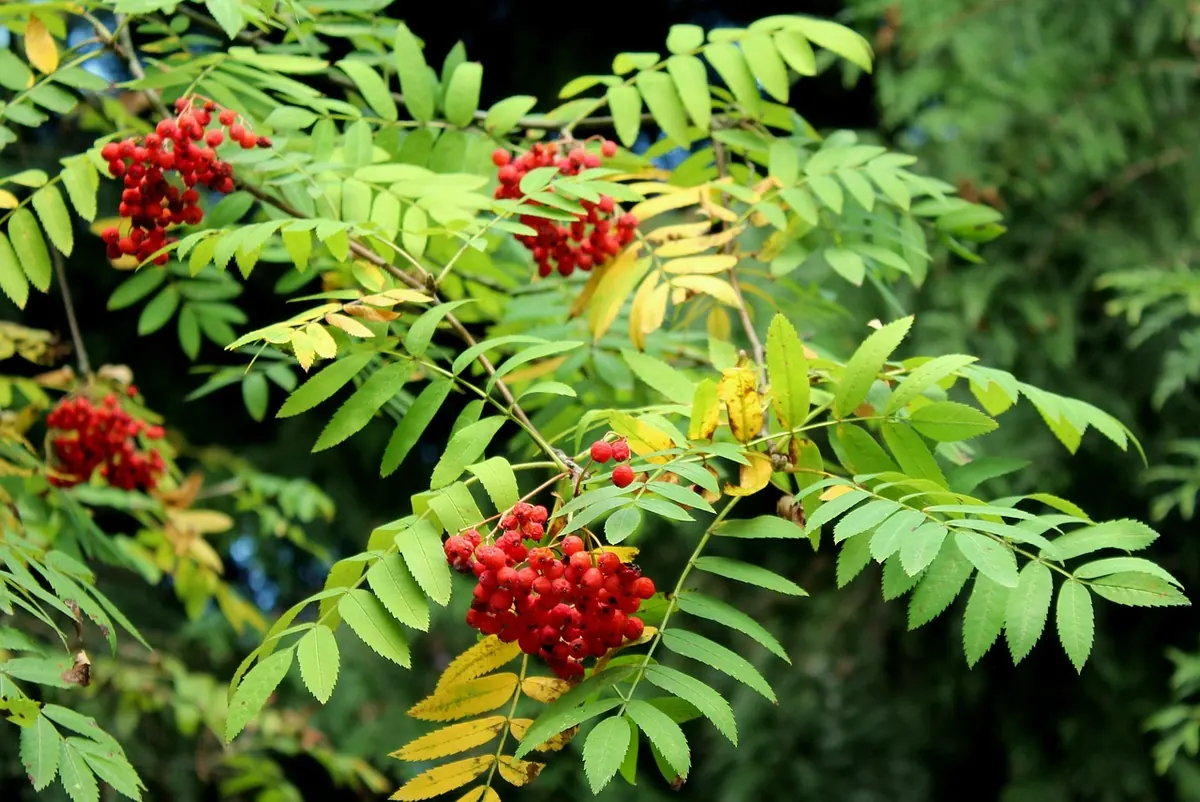
Blackberries are the entry point for most people, and the best ones are never at eye level — reach low and into the shade. Alongside them: elderberries for syrup and ketchup, rosehips, haws, rowan, crab apples, and the dark, floury berries of the wild service tree, a genuine woodland specialist worth learning. Sloes are usually ready late in the month or into October; if they are still hard and mouth-puckering, leave them.
Nuts and mast
Hazelnuts come first, and most of them will already have a neat round hole bored in the shell — the work of the nut weevil. Check each one before it goes in the bag. Sweet chestnuts follow in a warm September, and beech mast starts to fall; the small triangular nuts are fiddly but sweet and excellent toasted.
Fungi
Early autumn brings penny buns and chanterelles in established woodland, parasols in rough grass at the edge, shaggy ink caps on verges and puffballs in pasture margins. Field blewits often appear late in the month on the boundary between wood and field. Bring a basket rather than a plastic bag, and lay the caps so spores can drop as you walk.
October: The Fullest Month
If you can only get out once this autumn, go in October. The hedges are still worth working, the nuts are down properly, and the fungi are usually at their best after a wet spell with mild nights.
Look for walnuts under trees in old parkland and field edges, medlars to blet on a windowsill until they soften, and apples gone wild along lanes. Acorns and beech mast are abundant but need proper preparation — acorns must be leached of tannins before eating, which takes time and patience; most people collect them for pigs, crafts or flour experiments rather than dinner.
In the fungi line, October offers wood blewits with their violet stems, saffron milk caps under pines, hedgehog fungus with its pale spines instead of gills, the enormous cauliflower fungus at the base of a conifer, and oyster mushrooms on standing dead wood. Take a small knife, cut cleanly at the base, and press the cut surface of anything unfamiliar back into the litter so you can see the soil and bark beneath it. That single habit prevents a lot of damage.
November: Roots, Late Fungi and a Quieter Wood
By November the canopy is down and the wood is legible in a way it never is in June. Berries linger — rosehips, haws, the last rowan — and there are usually a few sloes worth having after the first frost. Roots become practical: burdock along the rides, horseradish in disturbed ground at the edge, dandelion for the patient.
Fungi do not stop. Velvet shank grows in tight clusters on dead elm and other hardwoods through the cold months, wood ear and jelly ear cling to dead branches, and winter chanterelles appear in mossy conifer litter. Blewits often carry on until a hard freeze. This is also the month for cranberries on boggy ground in the north, and for the last sweet chestnuts.
Walk slowly. In November, leaf litter hides almost everything, and the pleasure is as much in the shape of the wood — the wet smell, the first bare branches — as in what you carry home.
What to Carry
- A shallow basket or rigid tub. Fungi and soft fruit crush in bags, and a basket lets spores fall as you walk.
- A small, sharp knife and a cloth to wipe it. Clean cuts heal better than torn stems.
- Separate containers for anything you are unsure of, kept well apart from the rest.
- A paper bag or two for nuts and roots, which sweat in plastic.
- Gloves, water, a map and a charged phone — signal in woodland is unreliable, so tell someone your route and expected time back.
Picking Well and Picking Safely
Take a third and leave two thirds, especially with fungi and berries that birds and mammals depend on. Never uproot a plant without permission, never strip a single patch bare, and give rare or slow-growing species a wide berth. Rules vary by country and by site: picking for personal use is often tolerated or permitted, but nature reserves, protected species and commercial harvesting are usually restricted, and all land belongs to someone. Ask first and you will rarely be refused.
On eating wild fungi, be strict with yourself. If you are not completely certain of an identification, it is not food. Some common-looking temperate species are seriously toxic — the death cap among them — and cooking does not make them safe. Learn a handful of species thoroughly, check them against more than one source, and if you can, go out with an experienced forager or a local mycological group before you cook anything you have found. When in doubt, photograph it, leave it, and enjoy the walk.
Keep a Notebook and the Wood Will Teach You Faster
A small notebook does more for your foraging than any guidebook. For each trip, note the date, the wood, the weather of the previous ten days, what was fruiting, what was over, and what was still hard and green. Within two or three autumns you will have a calendar for your own patch that no published guide can match, because it will be written about the hedges you actually walk.
Go out often, pick less than you want to, and leave the wood tidier than you found it. That is the whole method — and the reason November never feels like the end of the season, only the start of next year's notes.
Photo: _Alicja_ / Pixabay

Green Wood vs Dry Wood for Carving: What Beginners Should Know
Green wood carves like butter but moves as it dries; seasoned wood holds detail but fights the blade. Here...

How to Make a Twig Star: A 20-Minute Nature Craft
A quick, reliable method for turning gathered twigs and garden string into a six-pointed star, plus how to...
About Us